


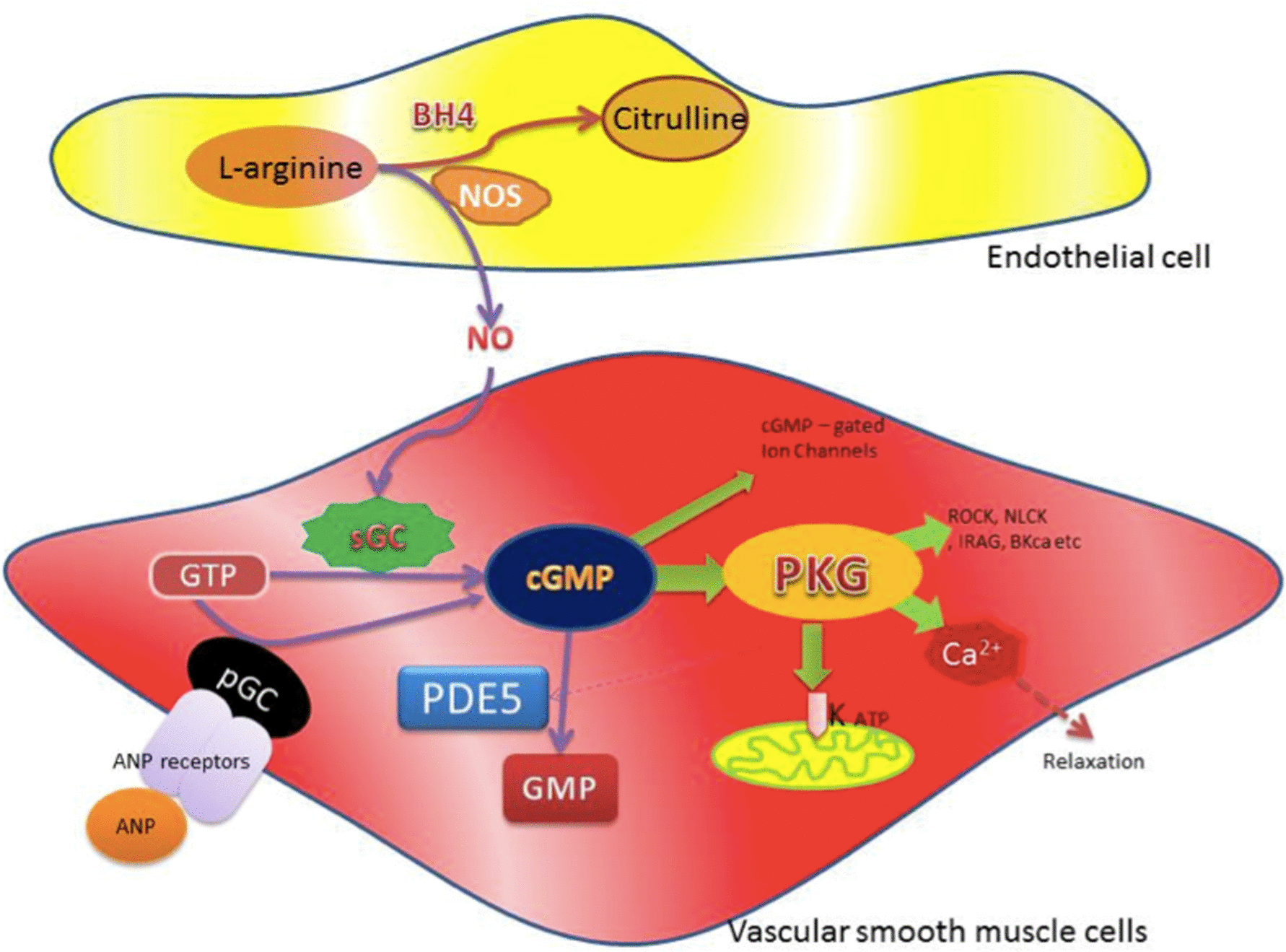
Figure 2.
Schematic diagram shows the synthesis of cGMP and its physiological effects. NO is synthesized from L-arginine by NO synthases (NOS) with the cofactor tetrahydrobiopterin (BH4). In vascular smooth muscle cells, NO interacts with soluble guanylyl cyclase (sGC) to convert guanosine triphosphate (GTP) to cyclic GMP. Alternatively, cGMP can also be produced from GTP via particulate guanylyl cyclase (pGC), which is part of the Atrial Natriuretic Peptide (ANP) receptors on the cell members that can be active via ANP. cGMP has a wide variety of physiological activities, in particular its activation of protein Kinase G (PKG). Activation of PKG results in the regulation, contraction, and proliferation as well as survival of vascular smooth muscles by various signaling mechanism, including Rho kinase (ROCK), inositol 1,4,5-triphosphate receptor-associated PKG substrate (IRAG), myosin light chain kinase (MLCK), calcium-sensitive potassium channels (BKCa), etc. PKG also plays a part in regulating subsequent potassium channel openings and mitochondrial ion channels homeostasis as well as hemostasis of Ca2+, which regulates vascular smooth muscle contraction and thus mediates relaxation of vascular smooth muscle. It also activates phosphodiesterases (PDE5), which regulates the cGMP by enhancing its breakdown.
© 2014 Butrous, licensee Bloomsbury Qatar Foundation Journals.
الاقتباس: